The UK Scrap Metal Recycling Industry

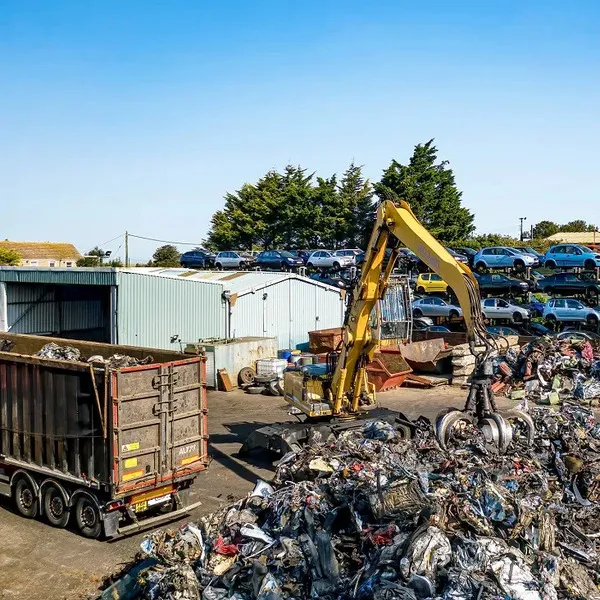

The scrap metal recycling industry plays an important role in recovering valuable materials from vehicles, manufacturing, engineering, construction and other commercial activities across the UK.
Rather than being treated as waste, metals such as steel, aluminium, copper and brass can be separated, processed and returned to the supply chain for use in new products and manufacturing.
The industry covers everything from scrap metal dealers and recycling centres to specialist processors and businesses supplying recycled metals back into manufacturing.
The Scrap Metal Industry in the UK
The UK has a well-established scrap metal and metal recycling industry handling both ferrous and non-ferrous materials.
Scrap metal can pass through several stages before being returned to manufacturing. Material may be collected or delivered to a recycling site, identified and separated by type and grade, processed where necessary and then supplied onwards for further recycling.
The exact route depends on the type, condition and quantity of metal being recycled.
Where Does UK Scrap Metal Come From?
Scrap metal is generated by many different industries and activities. Common sources include:
– end-of-life vehicles and vehicle dismantling
– manufacturing and engineering
– construction and refurbishment
– redundant machinery and equipment
– warehouses and commercial premises
– electrical cable and infrastructure
– metal fabrication and production offcuts
Some material reaches recyclers at the end of a product’s useful life, while manufacturing processes can produce recyclable metal on an ongoing basis.
For businesses generating regular quantities of metal, separating it from other waste streams can make recovery and recycling considerably easier.
Ferrous and Non-Ferrous Scrap Metal
The scrap metal industry broadly separates metals into ferrous and non-ferrous materials.
Ferrous metals contain iron and include materials such as steel and cast iron. They account for a significant proportion of the metal found in vehicles, machinery, structural components and industrial equipment.
Non-ferrous metals include aluminium, copper, brass, lead and other metals that do not contain iron. Different metals have different properties, uses and values, so identifying and separating materials correctly is an important part of the recycling process.
The UK Scrap Metal Market
The scrap metal market is constantly changing. The value and demand for different grades of metal can be influenced by factors including manufacturing demand, commodity markets, the quality and quantity of material available and demand for recycled raw materials.
This means there is no single value for “scrap metal”. Different metals and grades can have substantially different values, and market conditions can change over time.
For anyone selling scrap metal, correct identification and grading are therefore important parts of establishing its value.
Trends in the Metal Recycling Industry
The metal recycling industry continues to develop as businesses look for ways to recover more usable material and reduce the amount of valuable resources being lost from the supply chain.
Modern metal recycling increasingly involves the identification, separation and grading of materials so that different metals can be directed towards appropriate recycling processes.
There is also increasing emphasis on keeping materials in use for longer. In vehicle recycling, for example, suitable components may be recovered for reuse before the remaining vehicle is processed for its recyclable materials.
Technology also has an important role, with equipment used throughout the industry to sort, separate, process and prepare different metals for further recycling.
Regulation of the UK Scrap Metal Industry
Scrap metal dealing in England and Wales is regulated, with businesses carrying on business as scrap metal dealers required to hold the appropriate licence.
Requirements also apply to areas such as identification, record keeping and payment for scrap metal.
We’ve covered this subject separately in our guide What Is a Scrap Metal Dealer?, including what a dealer does and some of the requirements that apply when scrap metal is bought and sold.
The Role of Scrap Metal Recycling
Recovering metals from products and materials that have reached the end of their useful life allows those resources to be returned to productive use.
That makes the scrap metal industry an important link between waste producers and the manufacturers that can use recycled material.
Vehicles are a particularly good example. An end-of-life vehicle contains numerous metals alongside components that may still be suitable for reuse. Through dismantling, separation and recycling, significantly more can be recovered than simply treating the entire vehicle as waste.
Scrap Metal Recycling in Kent
Reclamet operates a metal and vehicle recycling facility in Birchington, Kent, handling a range of ferrous and non-ferrous metals.
We accept suitable scrap metal from individuals and businesses, while commercial customers producing larger or regular quantities can also use our scrap metal collection services.
For information about the metals we accept and the recycling services available, visit our Scrap Metal Recycling page.