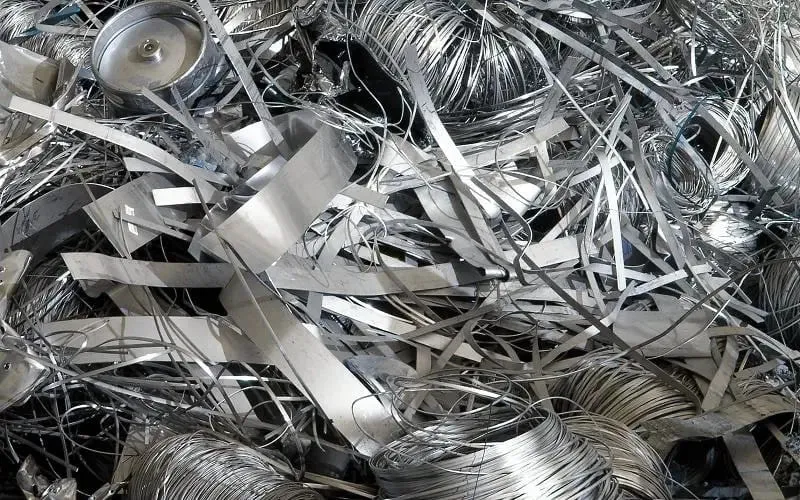
Manufacturing Scrap Metal Recycling
Manufacturing processes can generate significant quantities of scrap metal, from production offcuts and swarf to redundant components, machinery and equipment. Recycling this material allows valuable ferrous and non-ferrous metals to be recovered and returned to use.
For manufacturers, engineering companies and other industrial businesses, separating and recycling these materials can also turn a regular waste stream into a recoverable resource.
What Is Manufacturing Scrap Metal?
Manufacturing scrap metal is metal produced as a by-product of manufacturing, fabrication, engineering and other industrial processes. Unlike end-of-life products, much of this material is generated during production itself and can often be separated for recycling at source.
Common examples include sheet metal offcuts, steel sections, aluminium, copper, swarf, turnings, cable and redundant metal components. Businesses may also generate scrap when production lines, machinery or equipment are replaced or upgraded.
The type, quantity and frequency of scrap produced will vary considerably between businesses, which is why identifying and separating different metals can be important when recovering their recycling value.
Where Does Manufacturing Scrap Come From?
Manufacturing scrap can be generated at almost every stage of production, from cutting and machining raw materials through to maintenance, refurbishment and the replacement of machinery or production equipment.
Typical sources include:
- Metal fabrication – sheet metal, sections, cut-offs and offcuts
- Machining and engineering – swarf, turnings and metal components
- Production and assembly – rejected components, surplus materials and production waste
- Maintenance and refurbishment – pipework, heating systems, electrical equipment and redundant components
- Machinery and production-line changes – plant machinery, conveyor systems and redundant equipment
- Commercial refrigeration and catering equipment – metal units and components removed during replacement or refurbishment
Why Recycle Manufacturing Scrap Metal?
Manufacturing scrap can contain valuable metals that can be recovered and returned to the supply chain rather than being treated simply as waste.
Recycling metals also reduces the need for virgin raw materials and generally requires less energy than producing metals from primary resources. For manufacturers, separating scrap by material type can also help maximise its recoverable value and make ongoing recycling easier to manage.
Regular recycling can be particularly useful for businesses that produce consistent waste streams such as steel offcuts, aluminium, copper, swarf and other production scrap.
Managing Manufacturing Scrap
Manufacturing businesses can generate scrap metal continuously, periodically or as part of larger maintenance and refurbishment projects. Having a suitable system for separating and storing these materials can make recycling easier and help retain their value.
For businesses producing regular or larger quantities of metal, Reclamet provides commercial scrap metal collection across Kent, with metal skips, RoRo containers and wait-and-load options available depending on the material and volume.
Larger machinery, production equipment and unusual metal items can also be processed at our recycling facility. Where specialist transport or lifting is required, suitable transport will need to be arranged separately before delivery to Reclamet.
What Happens to Manufacturing Scrap Metal?
Once manufacturing scrap arrives at a recycling facility, different materials are identified, sorted and separated so they can be processed appropriately.
Ferrous metals such as steel and iron are separated from non-ferrous metals including aluminium, copper and brass. Depending on the material, further processing can include cutting, crushing or separating components to recover recyclable metals.
Once processed, these metals can return to the supply chain as raw material for new products. This helps keep valuable resources in use and forms part of the wider circular economy.