How Does Metal Recycling Work?

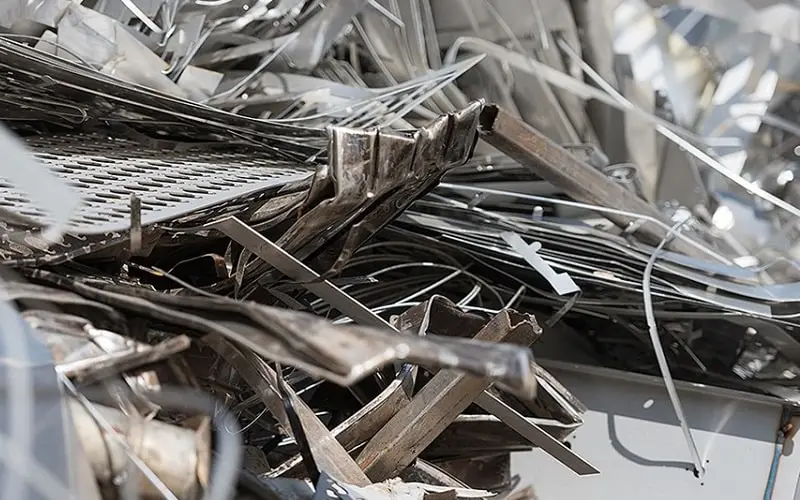
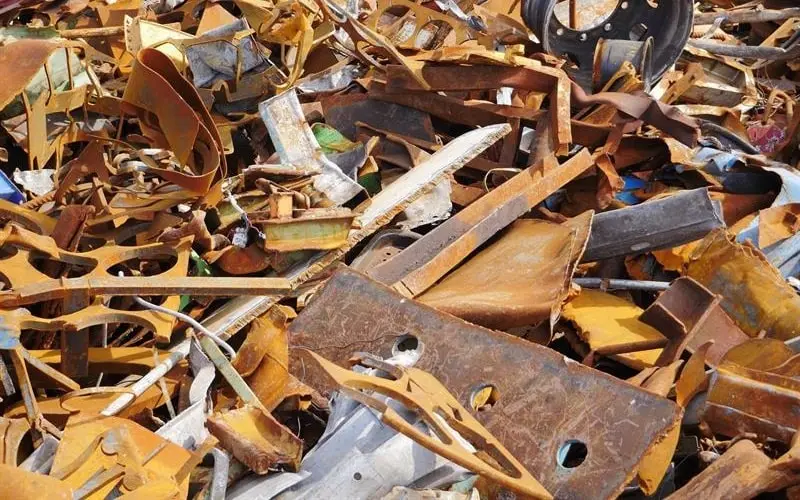


Metal recycling is the process of recovering metal from products, machinery, vehicles and other items that are no longer needed so the material can be processed and returned to use.
Different metals have different properties and may require different methods of separation and processing. Identifying the type of metal is therefore an important part of turning scrap material into a useful recycled resource.
Rather than treating unwanted metal simply as waste, recycling allows materials already in circulation to become raw material for future use.
What Happens to Metal During Recycling?
The exact recycling process depends on the type, condition and composition of the material, but it generally begins with identifying and separating different metals.
Ferrous and non-ferrous materials can be sorted into appropriate grades before further processing. Mixed items may also need other materials or components to be separated from the recyclable metal.
Once prepared, metals can undergo further processing appropriate to the material before eventually returning to manufacturing and other uses as recycled metal.
Ferrous and Non-Ferrous Metal Recycling
One of the fundamental distinctions in metal recycling is between ferrous and non-ferrous metals.
Ferrous metals contain iron and include materials such as steel and cast iron. They are widely found in machinery, vehicles, construction materials and industrial equipment.
Non-ferrous metals include aluminium, copper, brass and other metals that do not contain significant amounts of iron. These materials are found in everything from electrical components and cables to vehicles, machinery and building materials.
Separating different types and grades of metal helps ensure they can be directed into appropriate recycling processes.
Can Metal Be Recycled Again and Again?
Many metals can be recycled repeatedly, which is one of the reasons they remain valuable even after the original product or equipment has reached the end of its useful life.
However, recyclability can depend on the type of metal, its condition and whether it is mixed, coated or combined with other materials. Correct identification and separation therefore play an important part in recovering metal for further use.
Rather than thinking of metal recycling as an endless process in every circumstance, it is more accurate to think of metals as materials that can potentially remain in circulation through repeated recovery and recycling.
Why Different Metals Need Different Recycling Processes
Not all scrap metal can be treated in the same way. Different metals have different properties, compositions and potential uses, while scrap items may contain several materials that first need to be separated.
The recycling route can therefore vary depending on whether the material is steel, aluminium, copper, brass or another metal, as well as its grade and condition.
Sorting and separating material helps produce more consistent metal streams that can be directed towards the appropriate further processing.
From Scrap Metal to Recycled Metal
Scrap metal is not necessarily the end of a material’s useful life. Once recovered, identified and processed, metal can become a secondary raw material for manufacturing and other applications.
This is what makes metal reclamation and recycling an important part of keeping existing resources in circulation. Material that may no longer have a use in its original form can still have value as recycled metal.
Recycling Your Scrap Metal
Reclamet accepts a wide range of ferrous and non-ferrous scrap metals at our recycling centre in Birchington, Kent.
Materials can be weighed, assessed and separated according to their type and grade before entering the appropriate recycling process.
For details of the metals we accept and our recycling services, visit our Scrap Metal Recycling page.